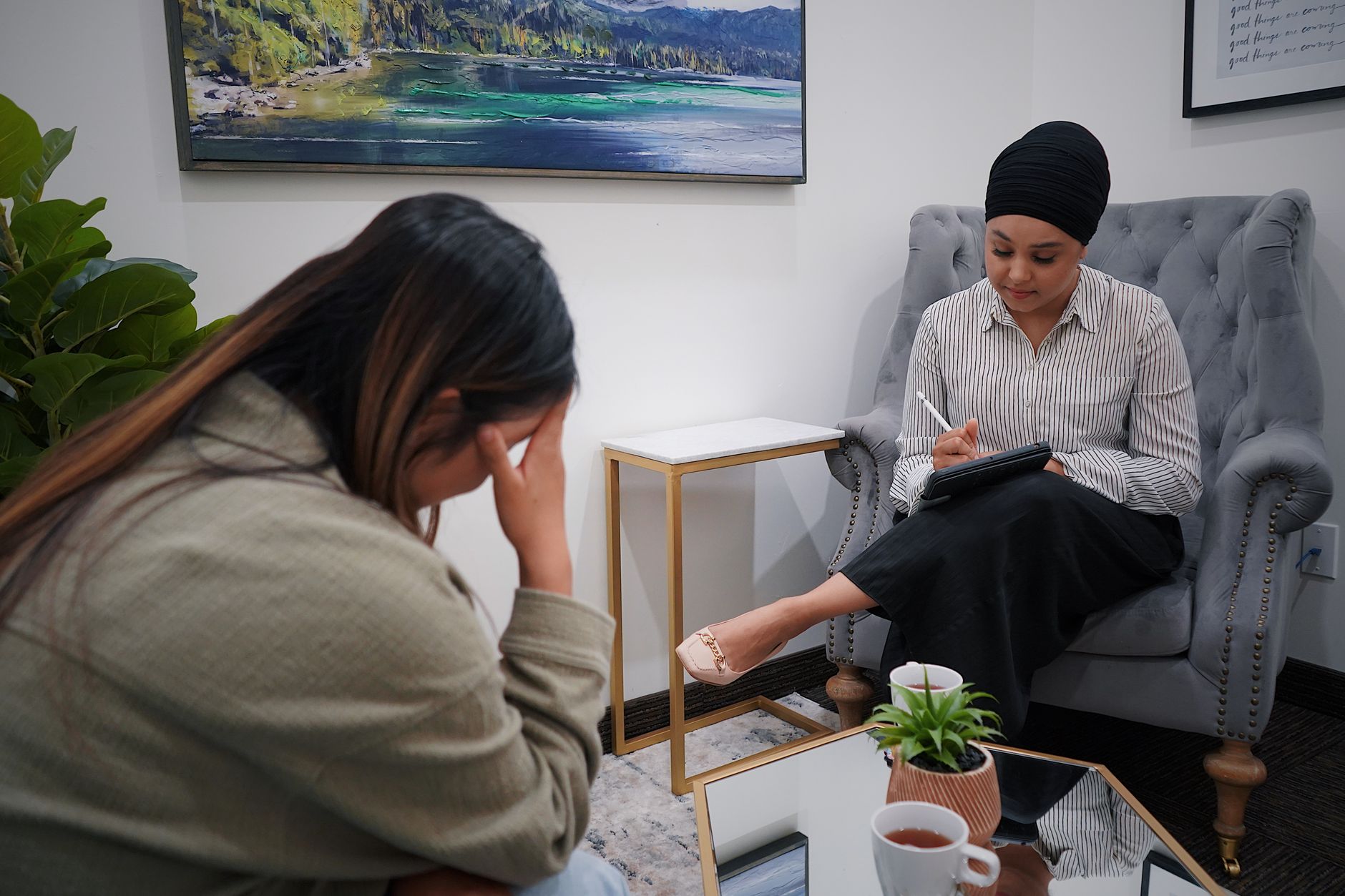
A mental health crisis can strike without warning — and in those moments, knowing exactly where to turn can make all the difference. The good news for Twin Cities residents is that there are more options than ever before. From a three-digit lifeline you can call or text any time of day, to trained teams who will come directly to you, to walk-in centers that feel nothing like an emergency room — help is closer than you think. Here’s a clear guide to the most important mental health crisis resources available to people in Minneapolis, St. Paul, and the surrounding metro area right now.
The first number to know by heart is 988. When someone is experiencing a mental health crisis, they can call, text, or chat 988 — seven days a week, 24 hours a day, for free — and all contacts are completely confidential.
The 988 Suicide and Crisis Lifeline provides free and confidential suicide risk assessment, emotional support, crisis intervention, and referrals to local treatment and support resources, including emergency services. You don’t have to be suicidal to call. Having a place like 988 to call that is free and confidential is a resource that everyone can take advantage of if and when they need it.
In partnership with the 988 Suicide and Crisis Lifeline, Greater Twin Cities United Way offers suicide prevention support and mental health crisis intervention to callers throughout Minnesota. The Minnesota Department of Health has four call centers throughout the state to support mental health of anyone who calls, and the biggest of those is in the Twin Cities, operated by United Way.
The service is growing fast. Since its launch, Minnesota Lifeline Centers have answered almost 300,000 contacts — and in 2025 alone, 130,000 contacts were answered, representing an almost 50% increase over 2024. Specialists are real people, not AI. They help callers explore difficult feelings, assess their risk, and develop a safety plan for the future — which often includes linking the caller to local resources.
What Happens After You Call 988?
If a caller requires more assistance than a phone conversation can provide, the 988 counselor can facilitate a connection to local resources — in Minnesota, this often involves what the Minnesota Department of Health calls a “warm transfer” to a local mobile crisis team, which can provide in-person support at home or in the community.
- Call or text: 988
- Online chat: 988lifeline.org
- Crisis Text Line: Text HOME to 741741 (text AYUDA for Spanish)
Mobile Crisis Teams: Help That Comes to You
Mobile crisis services are teams of mental health professionals and practitioners who provide psychiatric services to individuals within their own homes and at other sites outside the traditional clinical setting. You don’t have to get yourself anywhere — they come to you. Crisis teams can travel to an individual’s location, assess the situation, and provide stabilization services, intervention services, crisis prevention planning, referrals to other professionals, and follow-up services.
Hennepin County: COPE and the Behavioral Crisis Response Team
The COPE (Community Outreach for Psychiatric Emergencies) mobile crisis team can come to where you are and responds to anyone in Hennepin County who needs an urgent response — individuals, families, or communities. COPE has bilingual and bicultural staff available for face-to-face, phone, and video visits and uses interpreters when needed.
- COPE Phone (all ages, Hennepin County): 612-596-1223 — available 24/7, 365 days a year
- Cost: There is no cost to you or your family for COPE services, which are provided regardless of insurance status.
Minneapolis also has a unique unarmed crisis response program. The City of Minneapolis has contracted the Minneapolis-based organization Canopy Roots to operate the Behavioral Crisis Response (BCR) program, through which 911 dispatchers can send unarmed mental health professionals to de-escalate behavioral crises. The program is an unarmed, clinically staffed first responder model embedded in 911 that aims to decriminalize mental-health crises, avoid unnecessary involuntary hospitalization, and connect people to community-based services. In 2024 alone, the team responded to over 6,000 calls. To access this team, simply call 911 and dispatchers will determine if BCR is the right response.
Canopy Roots has also expanded services to Brooklyn Center — and in a statewide first for Minnesota, the City of Brooklyn Center is operating dual pilot programs with one team operated by Canopy Roots and another by Hennepin County and North Memorial.
Ramsey County: St. Paul and Surrounding Areas
Ramsey County’s mobile crisis team provides stabilization services, de-escalation, crisis intervention, mental health assessments, and initial crisis plans. Phone support is available 24/7 and mobile crisis teams are available to meet you at your home, school, workplace, or in the community.
- Adults (18+): 651-266-7900
- Children & Youth (under 18): 651-266-7878
Both lines operate 24/7. Crisis response is covered by most health insurance plans, including state health care programs like Medical Assistance (MA) and MinnesotaCare.
Suburban Metro Counties
Mobile crisis services are available across the full metro area. Key numbers include:
- Anoka County: 763-755-3801 (Canvas Health)
- Scott County: 952-818-3702 (Canvas Health)
- Carver County: 952-442-7601 (Canvas Health)
Walk-In Crisis Centers: No Appointment Needed
Sometimes you need somewhere to go. These centers are welcoming, professional, and specifically designed as a calmer alternative to the emergency room.
Hennepin County Behavioral Health Center — Minneapolis
The Hennepin County Behavioral Health Center, located in Minneapolis, is a vital community resource dedicated to serving adults experiencing mental health
Photo by World Sikh Organization of Canada on Pexels